What Scout Gets Right About Brand Storytelling (And What Your Business Can Steal From It)
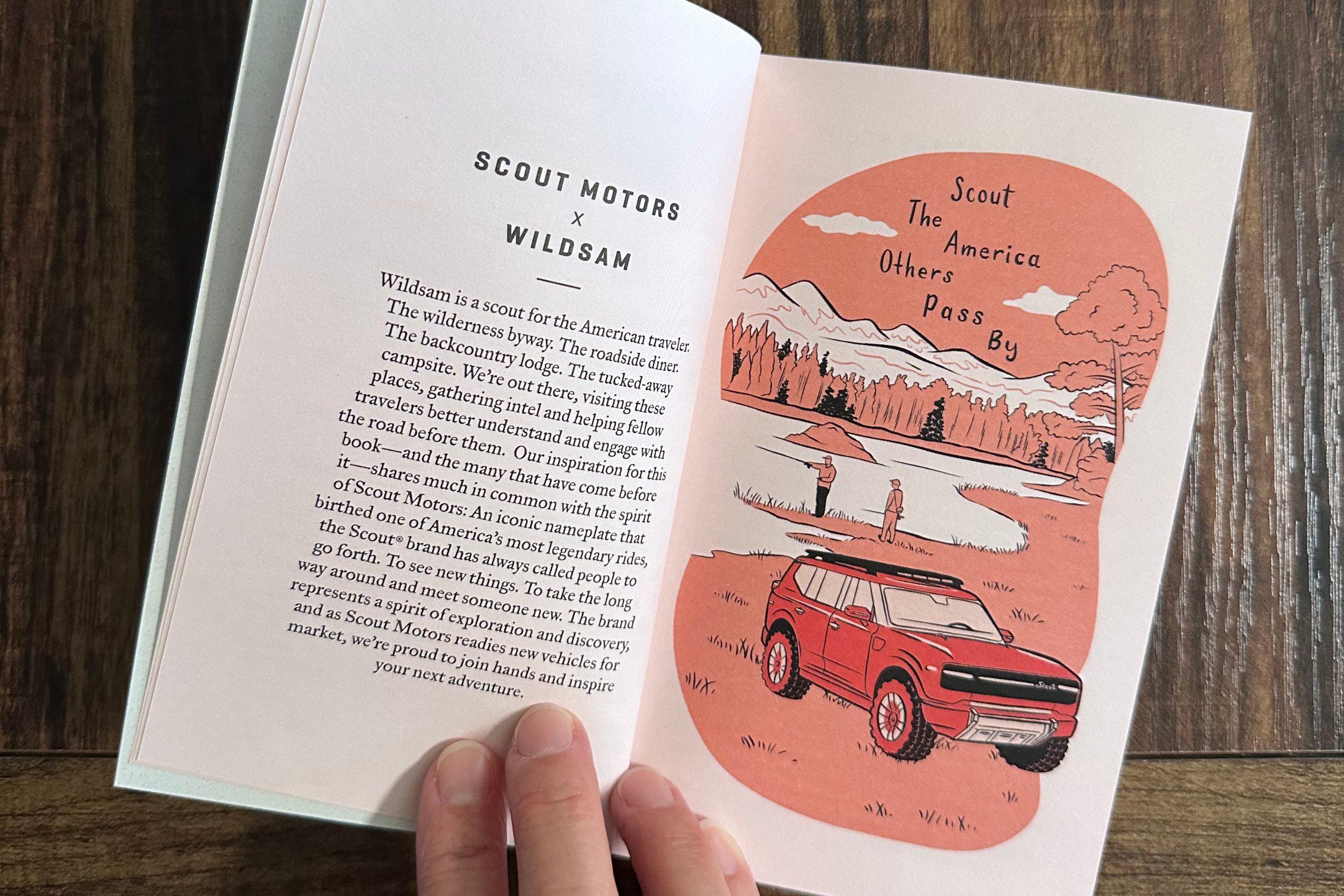
I didn't expect a car deposit to teach me a branding lesson. But here we are.
A few months ago, I put down a deposit on a Scout, an old car brand having a serious cult-favorite moment right now, and for good reason (it's rugged, it's a hybrid, and it's genuinely beautiful). I figured I'd get a confirmation email and then radio silence until delivery.
Instead, I got a story.
Every week, a new email arrived, not a sales pitch, a story. Then a poster showed up in my actual mailbox. Then a small book with a table of contents: different locations across the country, illustrations, little vignettes about the road and the people on it. There's even a movie floating around about a father and son restoring old Scouts together for a cross-country race.
By the time any of this reaches "buy" territory, I already feel like I belong to something. That's not an accident. That's brand storytelling done right.
Why This Works
Most businesses treat storytelling as decoration, something you sprinkle on top once the "real" marketing is done. But the brands that actually stick with people flip that order. The story comes first, and everything else is built to support it.
I see this same instinct in brands I've admired for years:
Patagonia leads with a cause, not a product: altruism baked into every touchpoint.
Yeti sells rugged gear, but what you're really buying into is the exploration and the lifestyle around it.
National Geographic has built an entire empire on making you feel like you're learning something, discovering something, every time you engage.
None of these brands are just listing features. They're inviting you into a world.
What Makes It Land
A few things Scout (and brands like it) get right:
Print still matters. In a world of endless digital noise, a physical poster or a little book in your mailbox stops you in your tracks. It says "we thought about you specifically," in a way an email never quite can.
The story comes before the ask. Weeks of connection-building happened before anyone asked me to do anything else. Trust was built first.
Consistency across every touchpoint. The tone in the emails matches the tone of the book, which matches the tone of the poster. It never feels like three different marketing teams working in silos.
It's specific, not generic. "Scouting Across America" with real locations and illustrations feels lived-in and particular, not a template swapped in with a new logo.
What This Means for Your Business
You don't need a movie deal or a print budget the size of a car company's to borrow this playbook. You need to get honest about your own story: what drove you to start this business, what you believe, what makes your particular way of doing things different from everyone else doing something similar.
Your brand is telling a story right now, whether you're steering it or not. The question is whether it's one that makes people feel like they're already part of something, or one that leaves them waiting for the sales pitch.
What's a brand that's made you feel like part of the story, not just the sale? I'd love to hear about it.